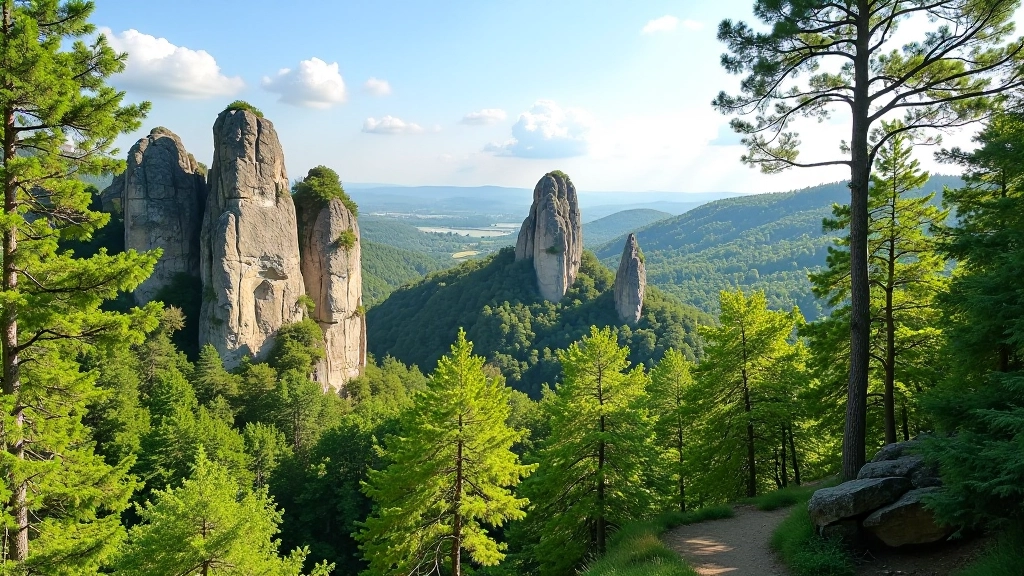

Understanding the Landscape
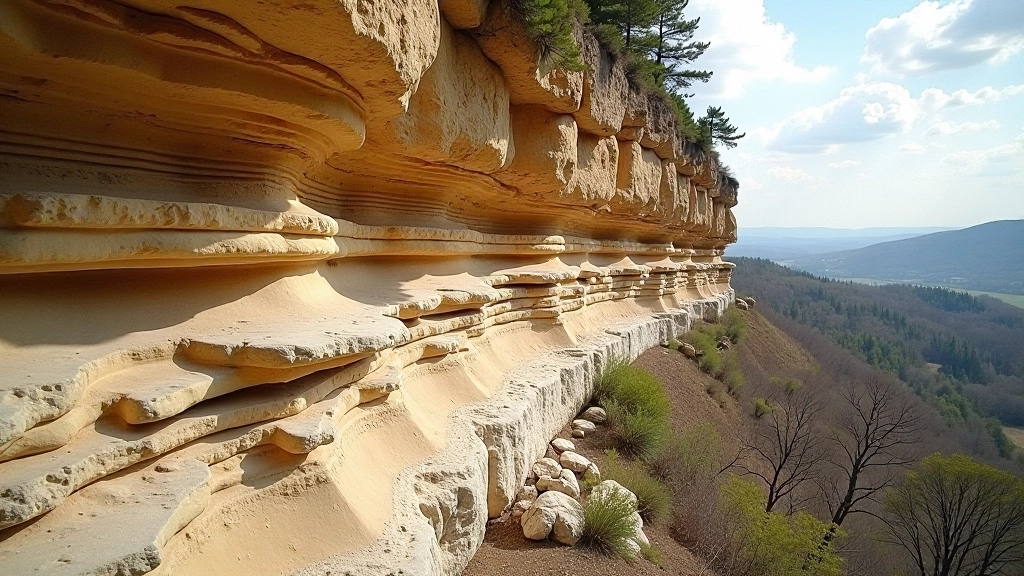
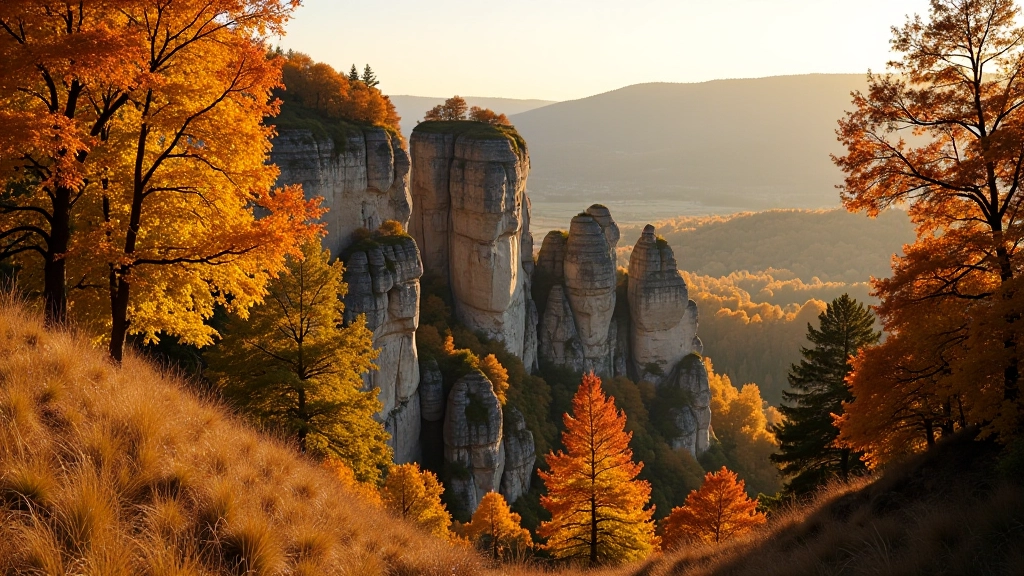
The rock formations you'll see here are remnants of a sea that covered this region 70 million years ago. When that sea receded, it left behind layers of sandstone. Over millions of years, water carved these layers into the dramatic cliffs and towers you see today. It's not random—there's a pattern to how the rocks eroded, and understanding that pattern helps you navigate more confidently.
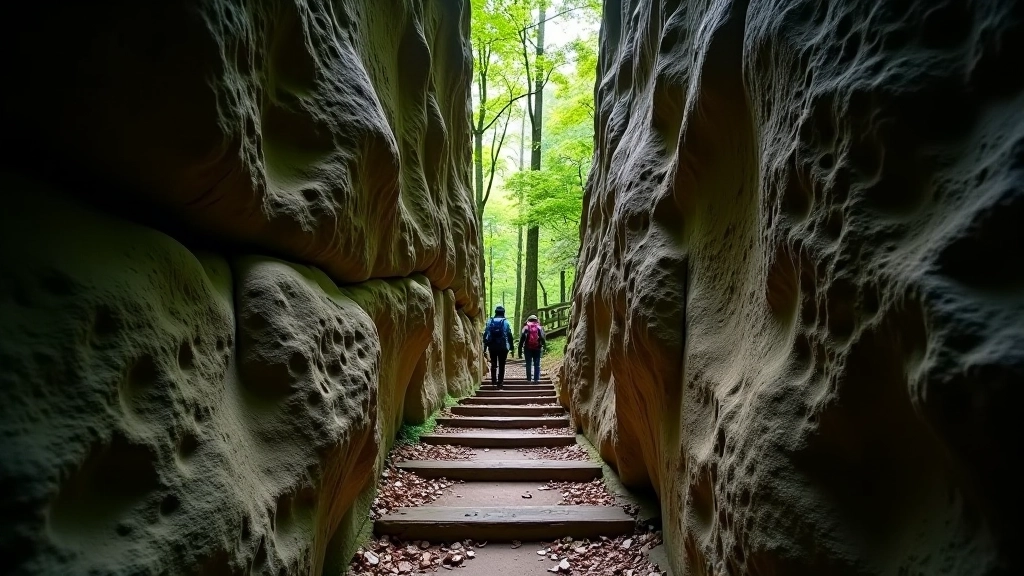
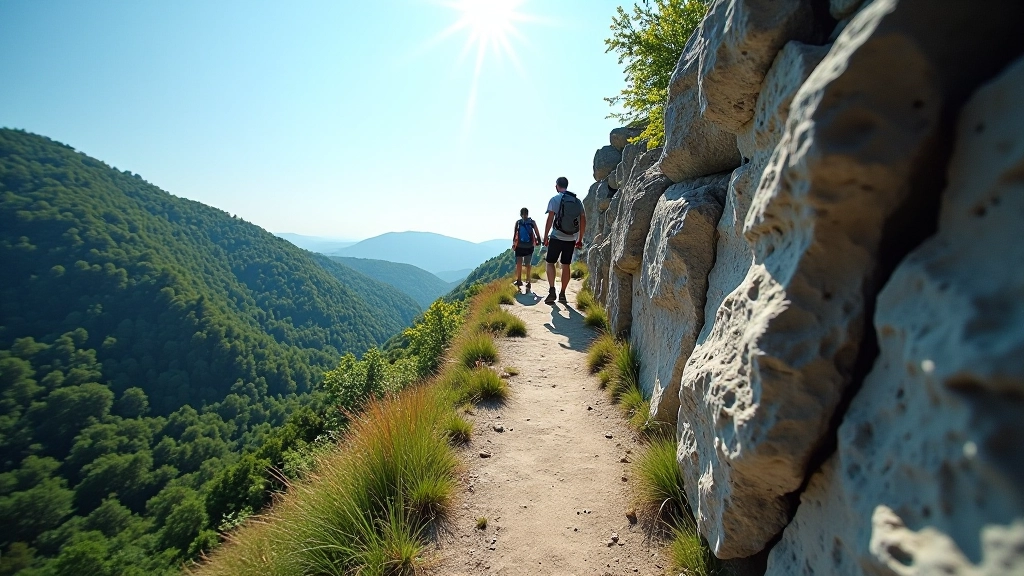
The trails themselves follow these natural contours. You won't find perfectly smooth paths here. Instead, you'll walk on stone steps carved by centuries of hikers, scramble over boulders, and squeeze through narrow passages between cliffs. Most sections have metal handholds bolted into the rock—they're there because the terrain demands them, not as decoration.
Key Fact: The region experiences significant elevation changes despite looking deceptively flat on maps. A "moderate" 8-kilometer trail can involve 400+ meters of climbing when you account for all the ups and downs through valleys.