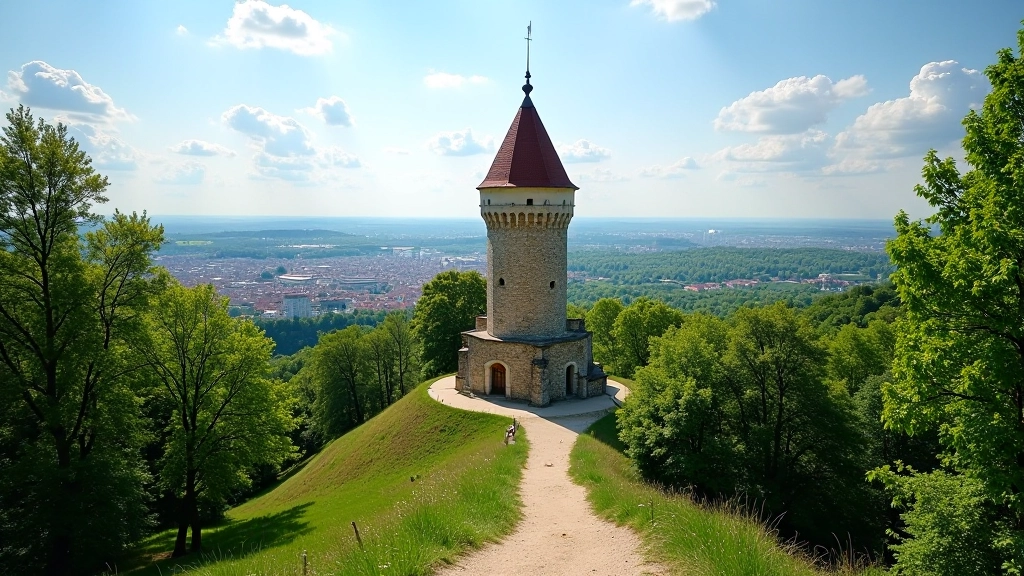
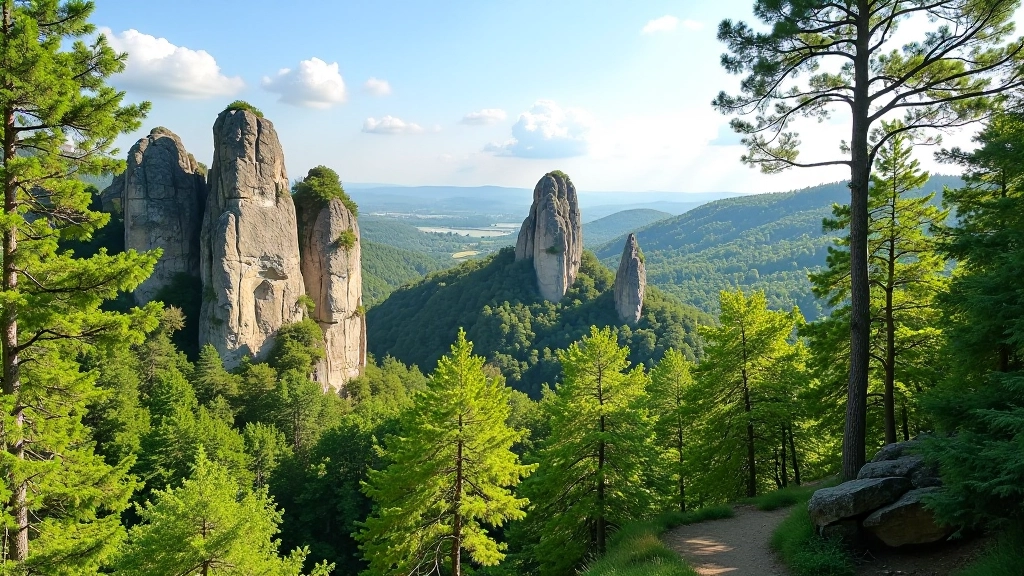
Podyjí National Park Trail Overview
Complete information about riverside trails, seasonal conditions, wildlife viewing opportunities, and how to plan a full day exploring this protected natural area.

Understanding Podyjí's River Valley
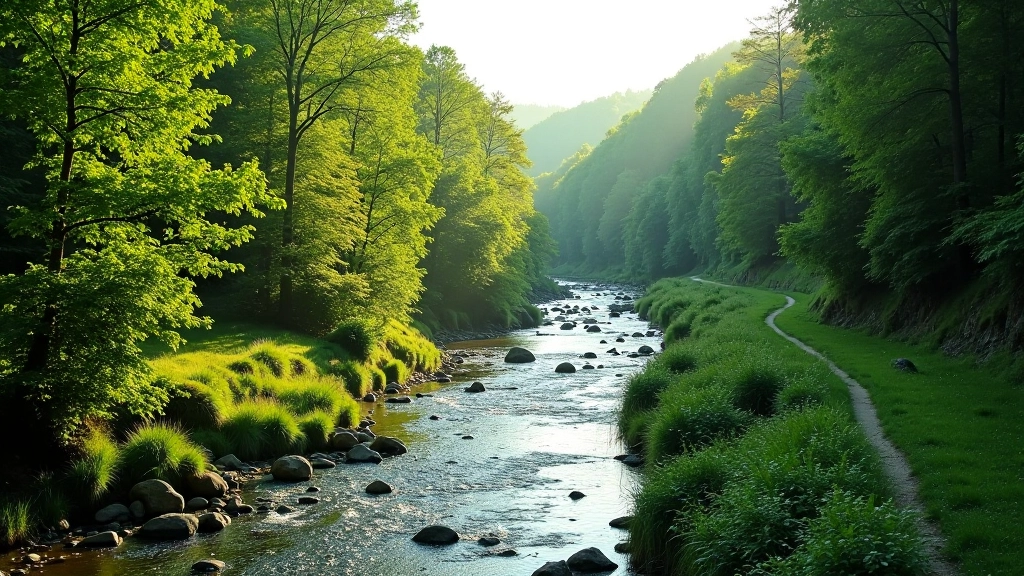
Podyjí National Park sits along the Czech-Austrian border, and honestly, it's one of the most underrated destinations in the region. The Dyje River carved this stunning valley over thousands of years, and you'll see the results in dramatic limestone cliffs, dense forests, and meadows that change completely with the seasons.
The park covers about 63 square kilometers, but you won't need to hike the entire thing to experience its best features. Most visitors focus on the main trail system that follows the river for roughly 20 kilometers. It's manageable in a day, though plenty of people break it into two trips.
What makes this park special isn't just the scenery. You'll encounter actual history here — medieval castle ruins, old mills, and evidence of settlements dating back centuries. Plus, the biodiversity is genuine. We're talking 700+ plant species and regular sightings of red kites, otters, and occasionally lynx if you're lucky enough.
Main Trail Routes
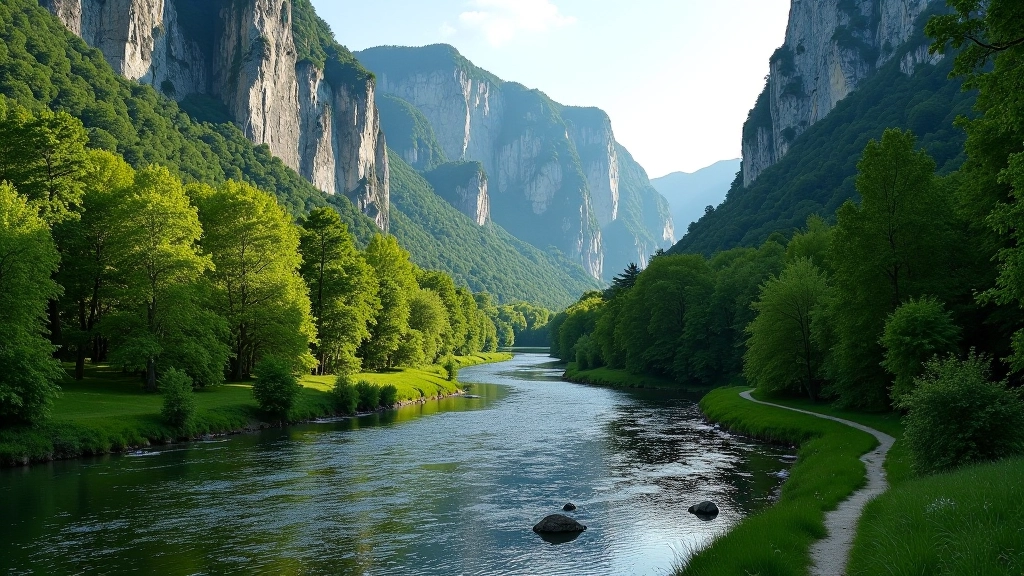
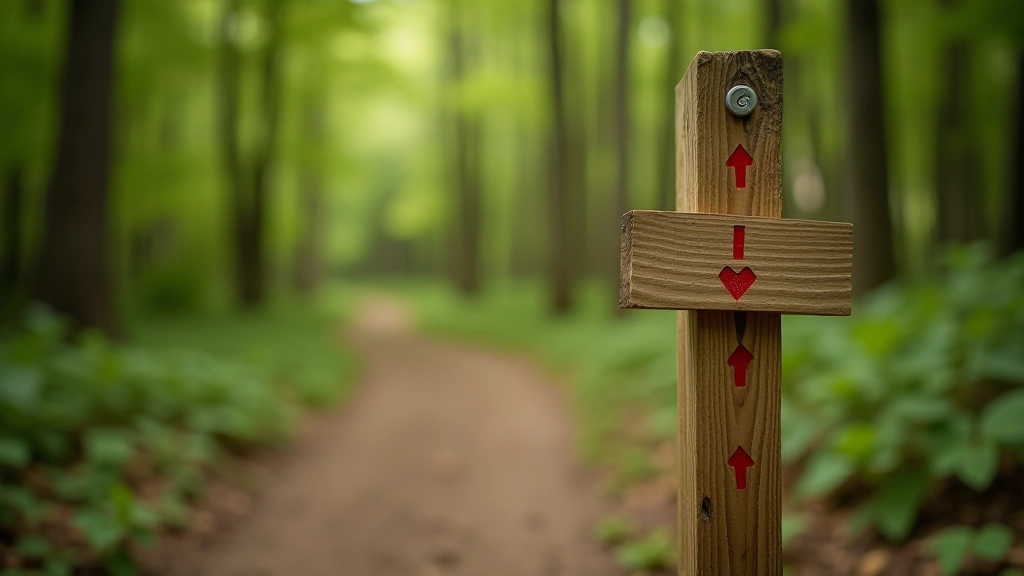
There's actually a really well-marked system here. The main red trail follows the Dyje River from Znojmo to Břeží — that's about 20 kilometers. Don't let the distance intimidate you. The terrain varies from flat riverside sections to moderate climbs with great views. Most people cover 8-10 kilometers in a comfortable day without rushing.
The blue trail connects to Austrian side routes, which is cool if you've got a passport handy. But honestly, the best sections are on the Czech side, especially between Hardegg and Podhraď. You'll walk through beech forests, past old quarries, and along narrow paths where the cliffs practically surround you.
Trail Difficulty Tips
- Red trail: Moderate. Some steep sections but mostly manageable.
- Blue trail: Easier. More gradual elevation changes.
- Side trails: Variable. Scout before committing to longer branches.
What You Might See Here
Spring and early summer are best for birdwatching. Red kites are basically guaranteed if you look up occasionally. You'll also spot buzzards, hobby falcons, and if you're quiet enough, herons along the quieter sections of river. Bring binoculars — seriously, it makes a huge difference.
Mammals are trickier. You won't see otters every trip, but they're definitely in the river. Look for tracks along sandy banks, especially early morning. Roe deer are common in the meadows. And yes, there are lynx in the wider region, but you're extremely unlikely to encounter one. They're shy, nocturnal, and prefer deeper forest.
The botanical side is incredible year-round. Spring brings protected orchids and hepatica. Summer's when you'll see gentians and rare ferns. Even autumn's worth a visit — the beech forests turn spectacular colors, and you'll have quieter trails all to yourself.
Planning Your Visit
Best times to visit? May through September, honestly. July and August can get busy, especially weekends. April and October are quieter but weather's less predictable. Winter's beautiful but trails get muddy and some sections become slippery. Spring floods can occasionally close parts of the trail — check before you go.
You'll want proper hiking boots, especially if trails are wet. Water resistance matters here because you're constantly near the river, and some lower sections flood regularly. Bring more water than you think you'll need — there aren't many shops along the route.
Getting There
Znojmo is the main access point. Train from Prague takes about 3 hours. Parking available near town center.
Entry Requirements
No entrance fee. It's a protected area, so respect the regulations. Stay on marked trails.
Accommodation
Znojmo has hostels, guesthouses, and hotels. Smaller villages have fewer options but quieter experiences.
Seasonal Considerations
The park isn't a one-season destination. Each brings different advantages and challenges.
Spring (April-May)
Wildflowers blooming, water levels high from snowmelt, birdwatching excellent. Watch for muddy sections.
Summer (June-August)
Warm, reliable weather, all trails open, busier crowds. Best for serious hikers wanting full distance coverage.
Autumn (September-October)
Colors incredible, fewer visitors, cooler temperatures. Some shorter daylight hours to consider.
Winter (November-March)
Quiet and peaceful, but challenging conditions. Snow and ice possible. Not recommended for casual hikers.
Making the Most of Your Time Here
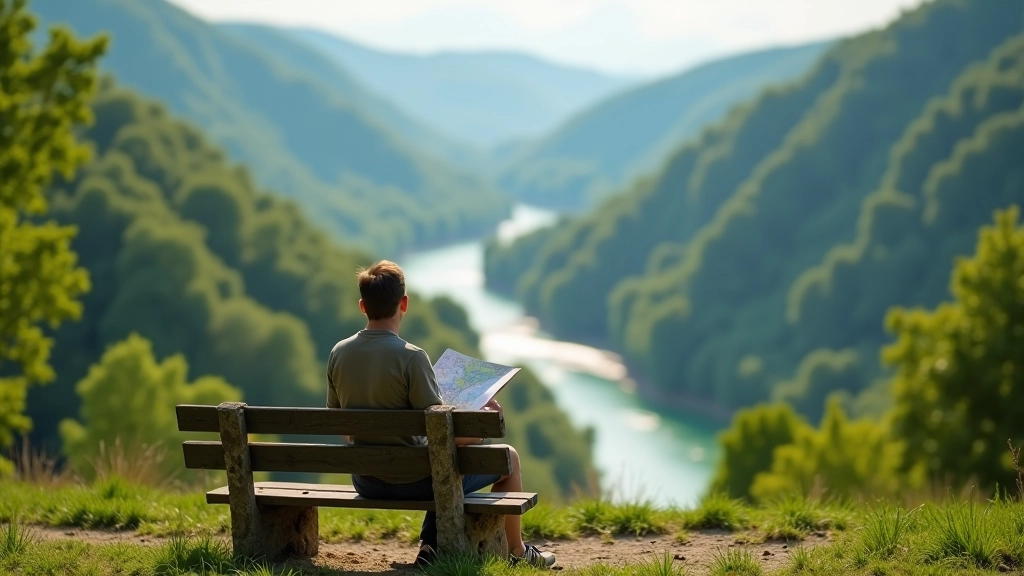
Podyjí isn't flashy, and that's actually its strength. You won't find massive crowds or heavily commercialized attractions. What you will find is genuine wilderness, real history, and trails that feel like actual journeys rather than tourist experiences. Most people who visit once end up returning multiple times because there's always something new to discover — a different trail branch, a seasonal change, or simply a moment when you're standing alone on a clifftop overlooking the river valley and realizing how special this place is.
Start with the main red trail if it's your first visit. It's accessible but rewarding. Come back for the side trails and longer explorations once you've got a feel for the area. And honestly, don't worry about covering everything. You'll get more from spending a full day on 8 kilometers of trail with proper attention than rushing through 20 kilometers in a blur.
Important Notice
This guide provides general educational information about Podyjí National Park and its trails. Conditions change seasonally and can vary based on weather, maintenance, and other factors. Always check current trail status with local authorities before visiting. Bring proper equipment, follow all park regulations, stay on marked trails, and be prepared for changing weather conditions. Your safety is your responsibility.
Related Articles